Partial Access.
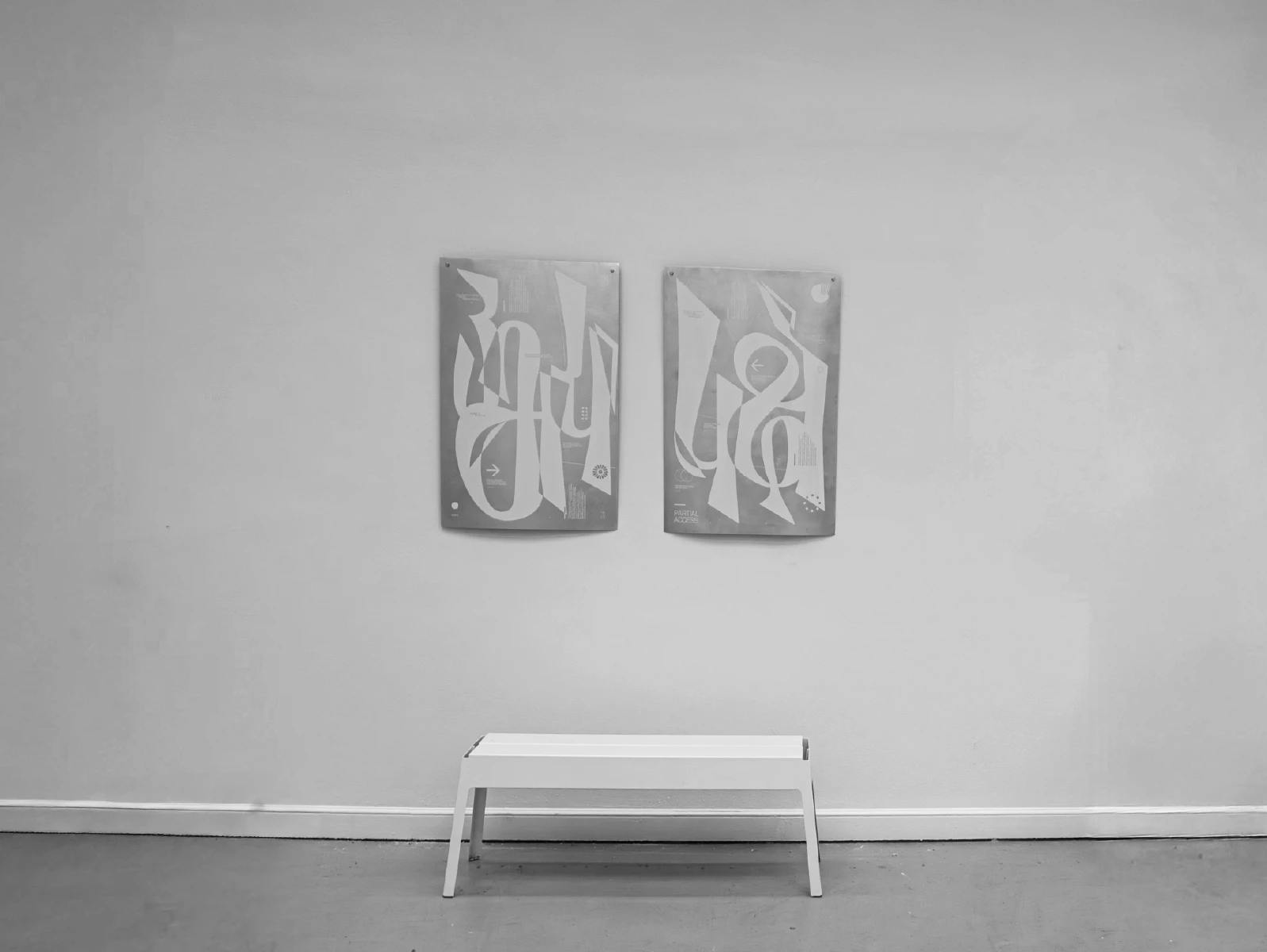
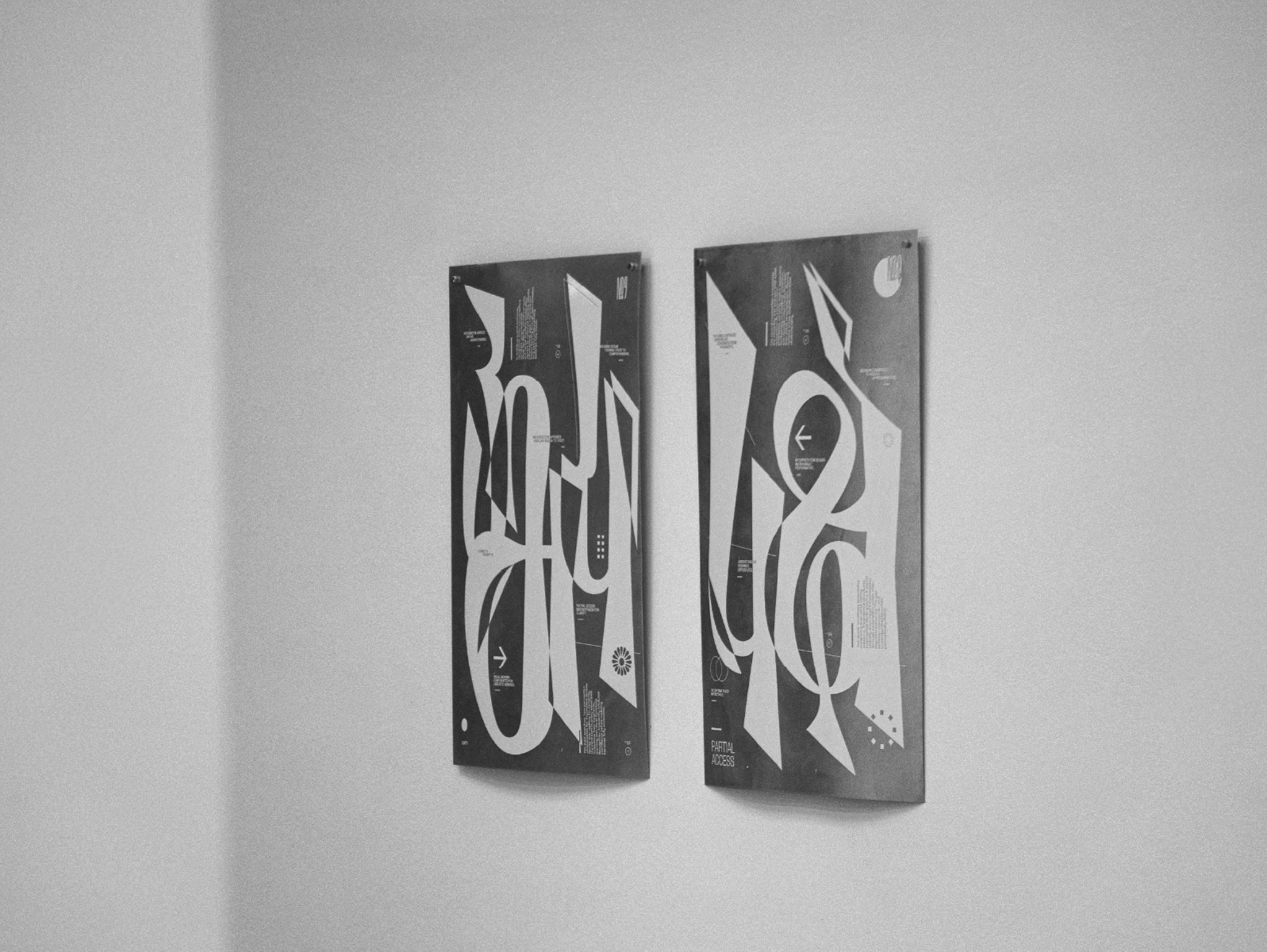
Explores how people construct meaning when comprehension is incomplete.⎯⎯Through language, typography, material, and scale, the project creates varying levels of access depending on the viewer’s familiarity with the script.⎯⎯The Sanskrit phrase “उभय पक्षे” (Ubhaya Pakṣe), meaning “both sides,” sits at the center of the installation, reflecting the space between recognition and understanding.⎯⎯The work asks viewers to question meaning before it becomes accessible.
/
Research / Installation
/ Typography⎯⎯2026
BFA Graphic Design Thesis

°°°°°°°
°/
Finding the right composition.
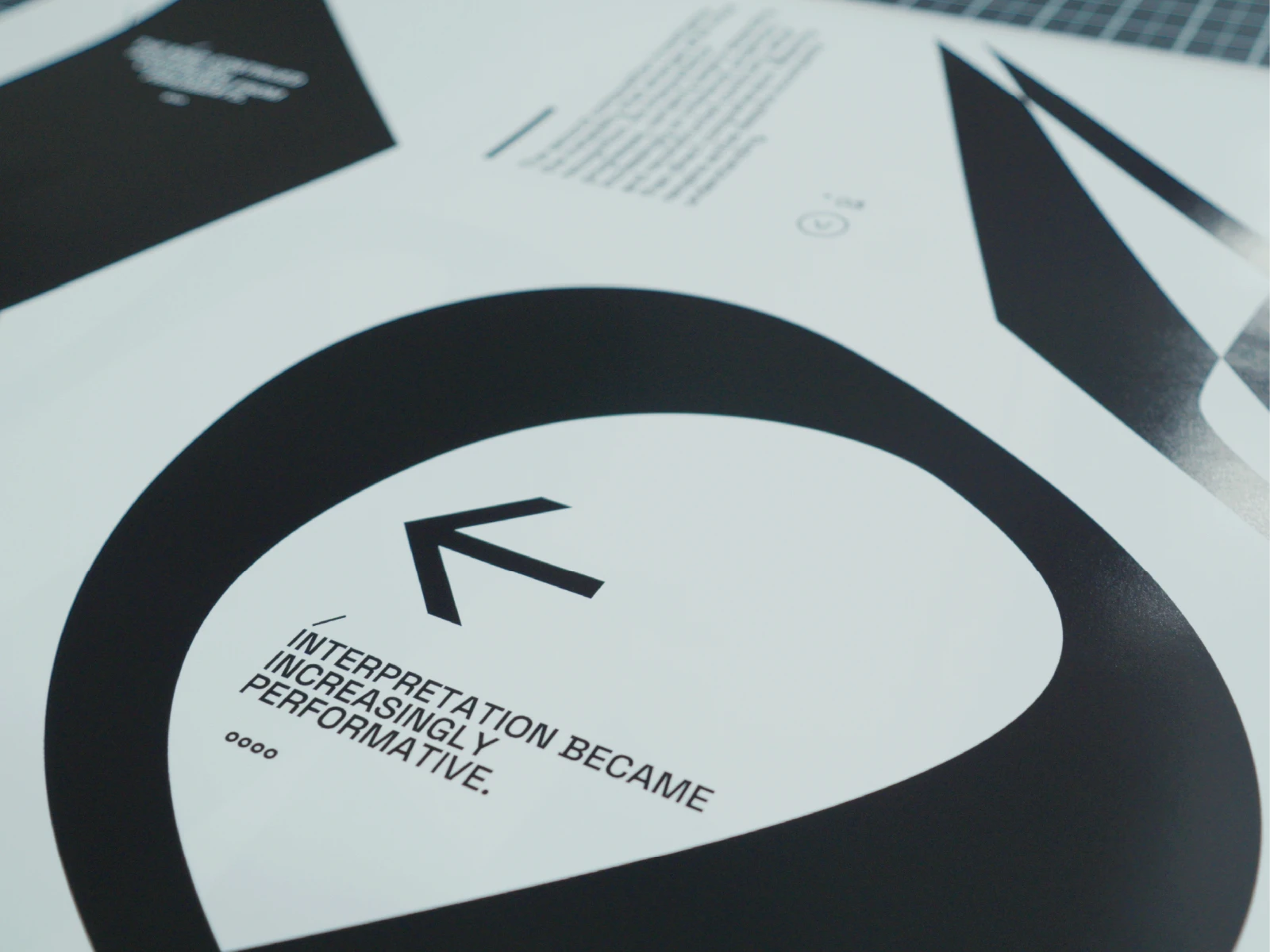
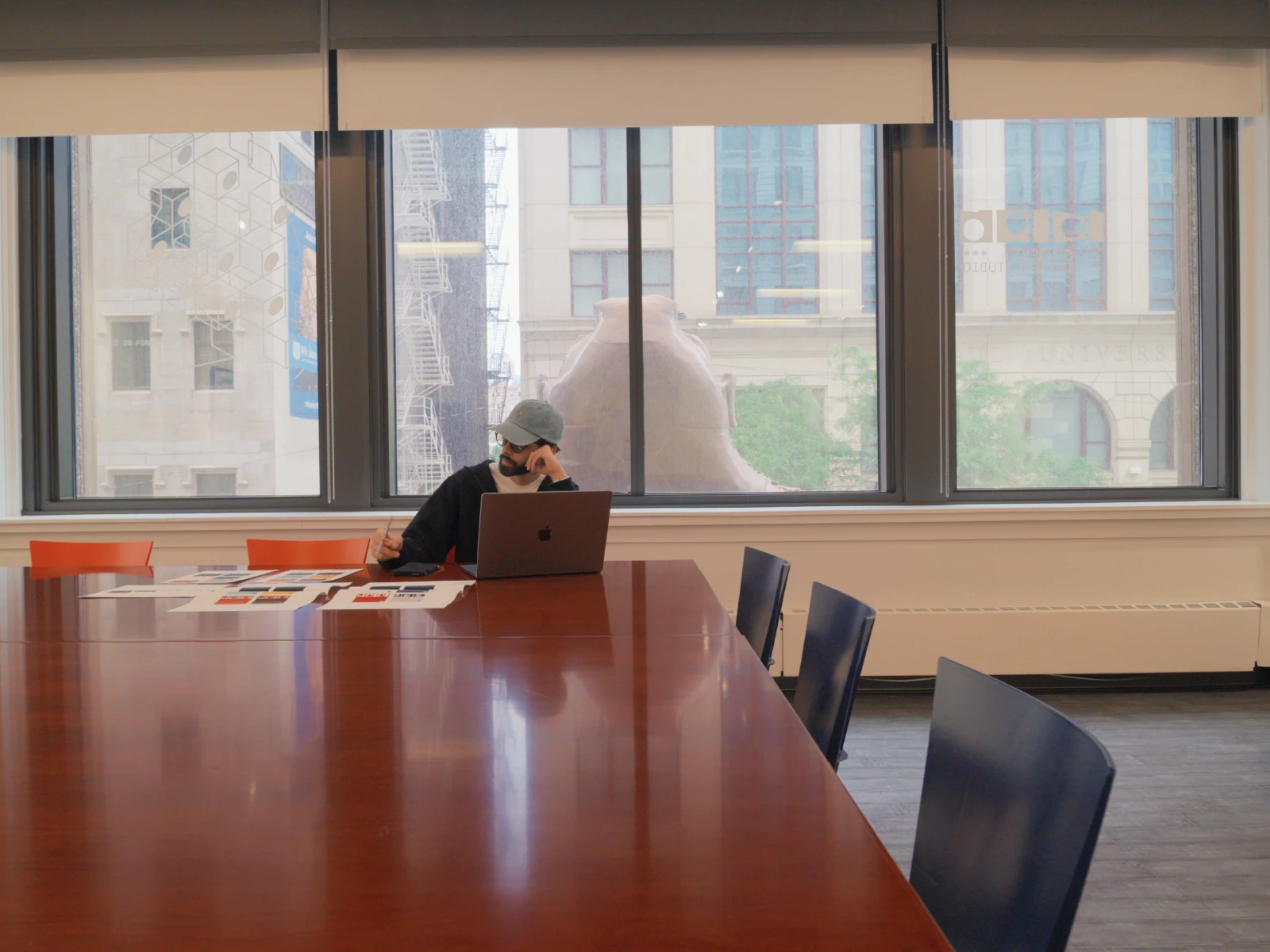
The project was developed digitally before moving into production.⎯⎯The composition went through multiple iterations to refine the relationship between the Sanskrit typography, supporting English text, spacing, and scale.⎯⎯Every adjustment focused on creating a composition that remained engaging from a distance while revealing additional layers up close.
⎯⎯
°//
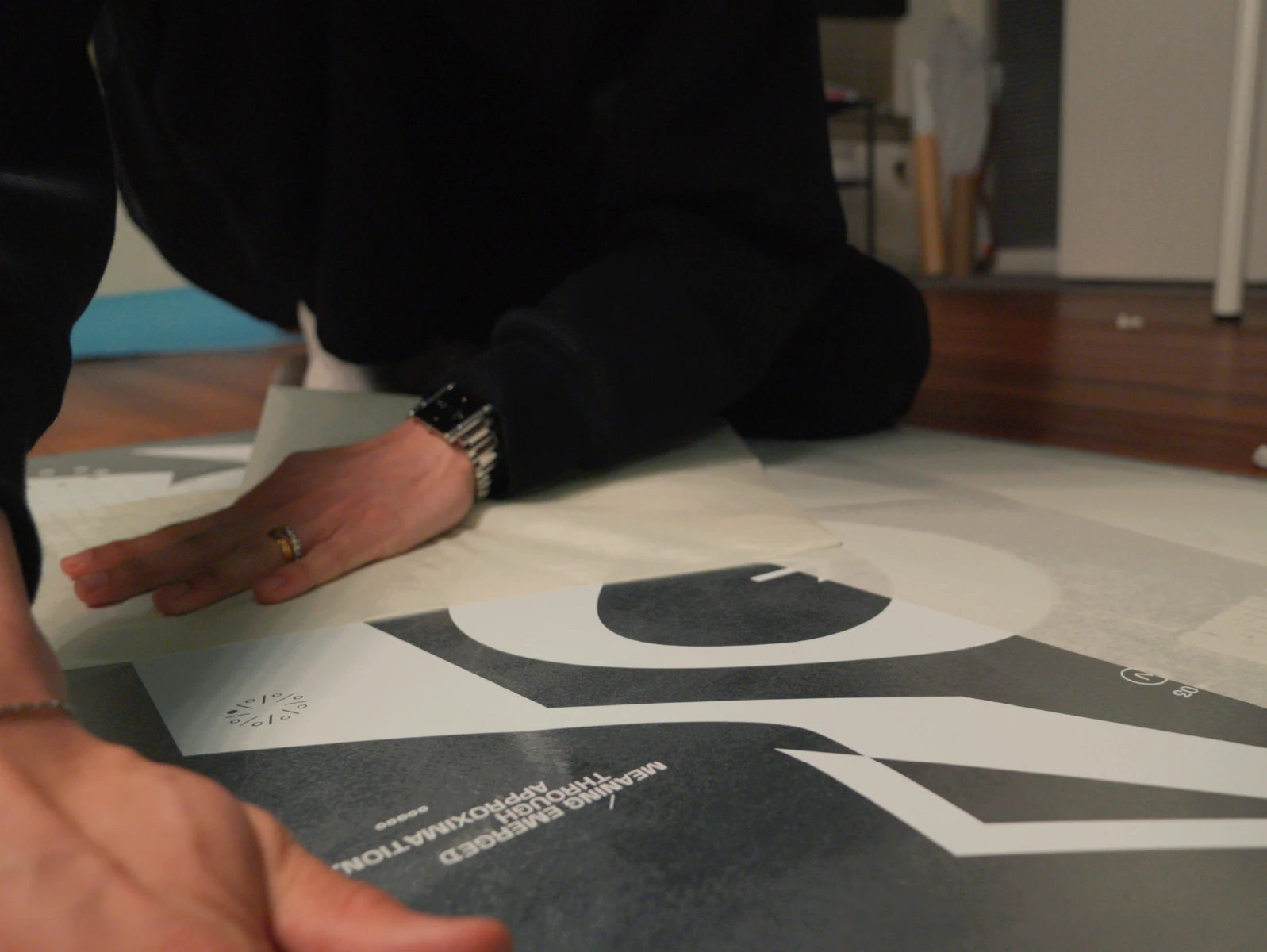
Printing at full scale.
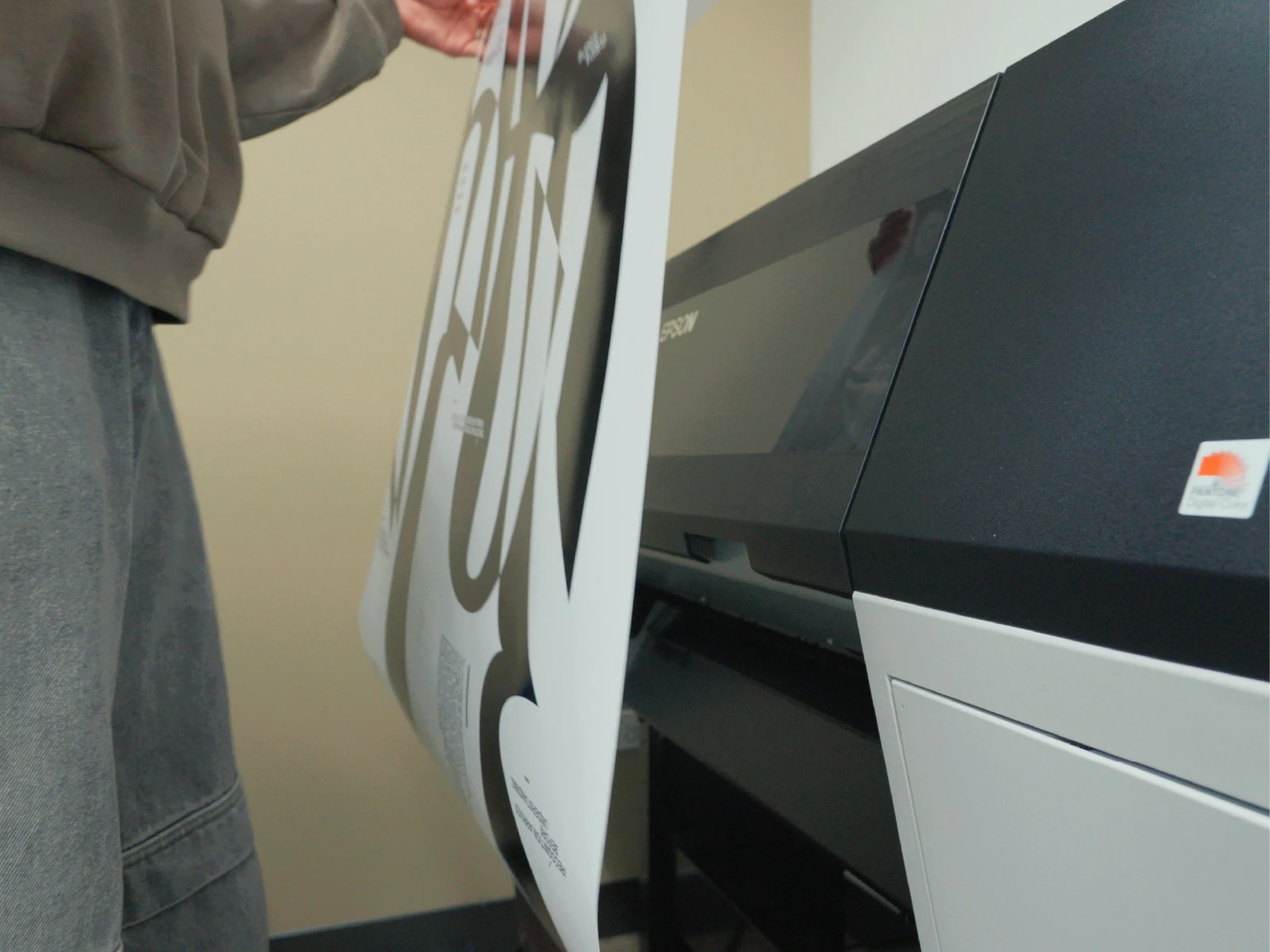
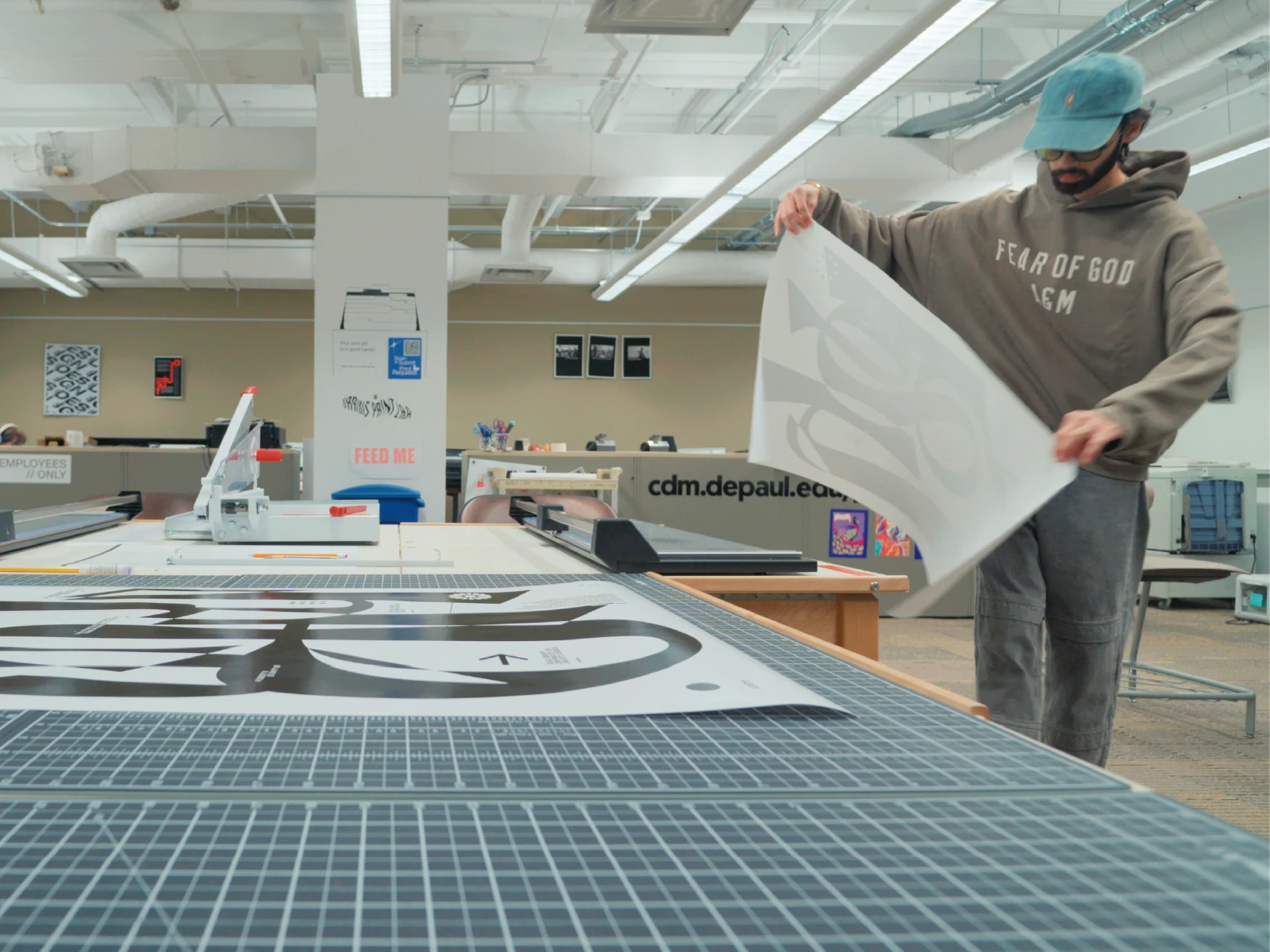
Before committing to vinyl, the posters were printed at full scale to evaluate their physical presence.⎯⎯This process helped verify the readability of the typography, the proportions of the composition, and the overall visual balance.⎯⎯Working at full scale also made it possible to identify adjustments that were difficult to notice on screen.
⎯⎯
°///
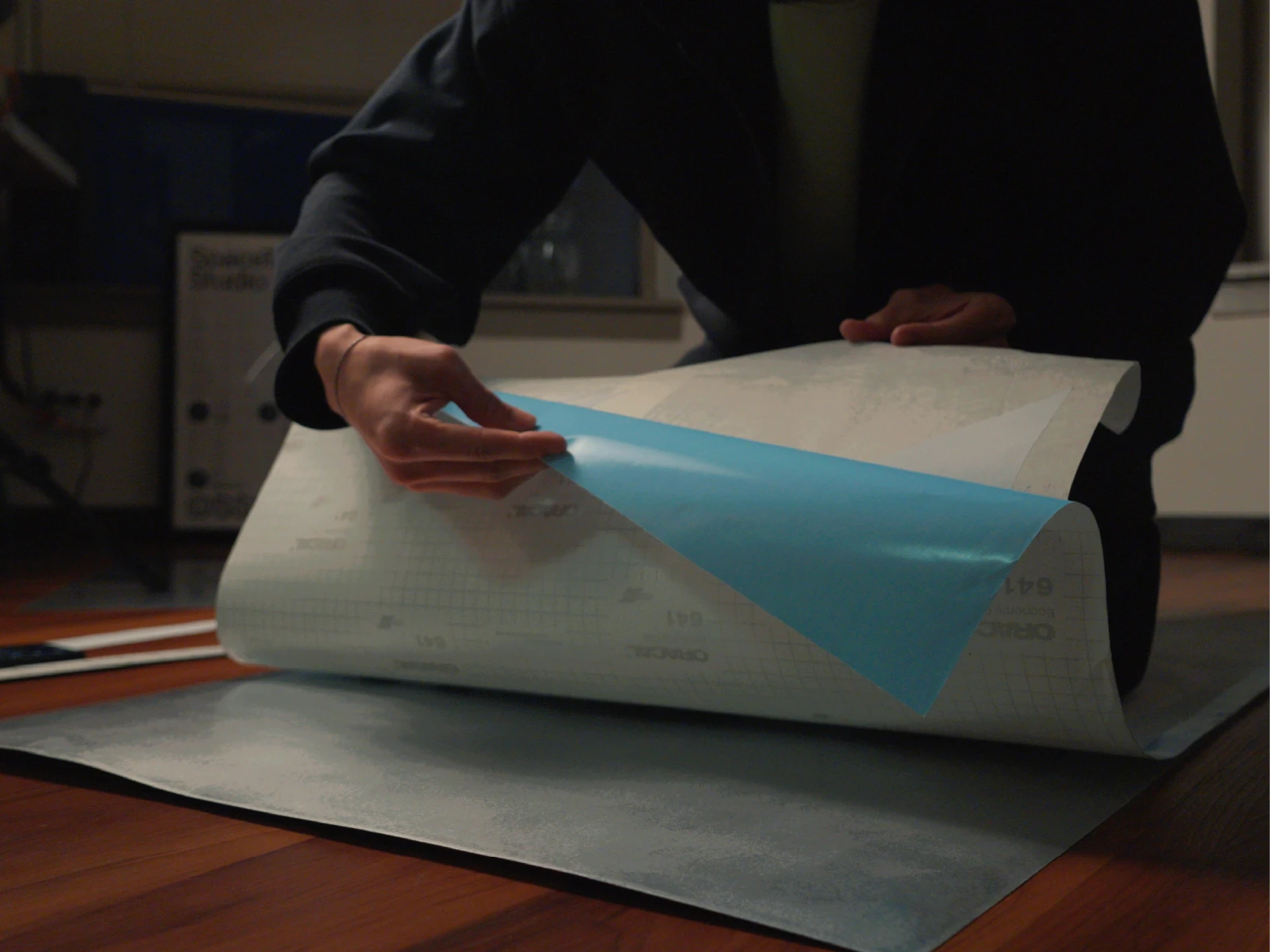
Precision through repetition.
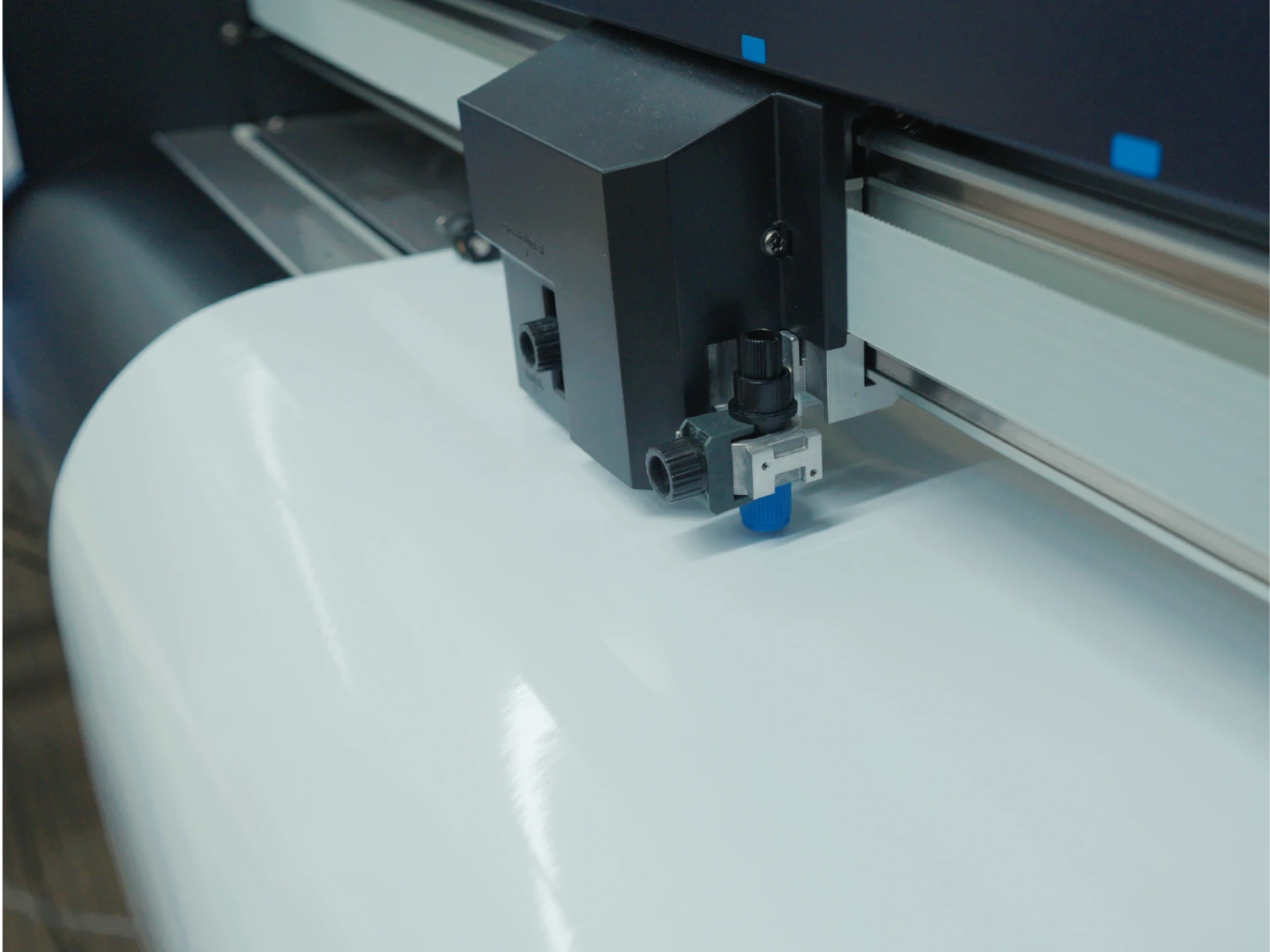
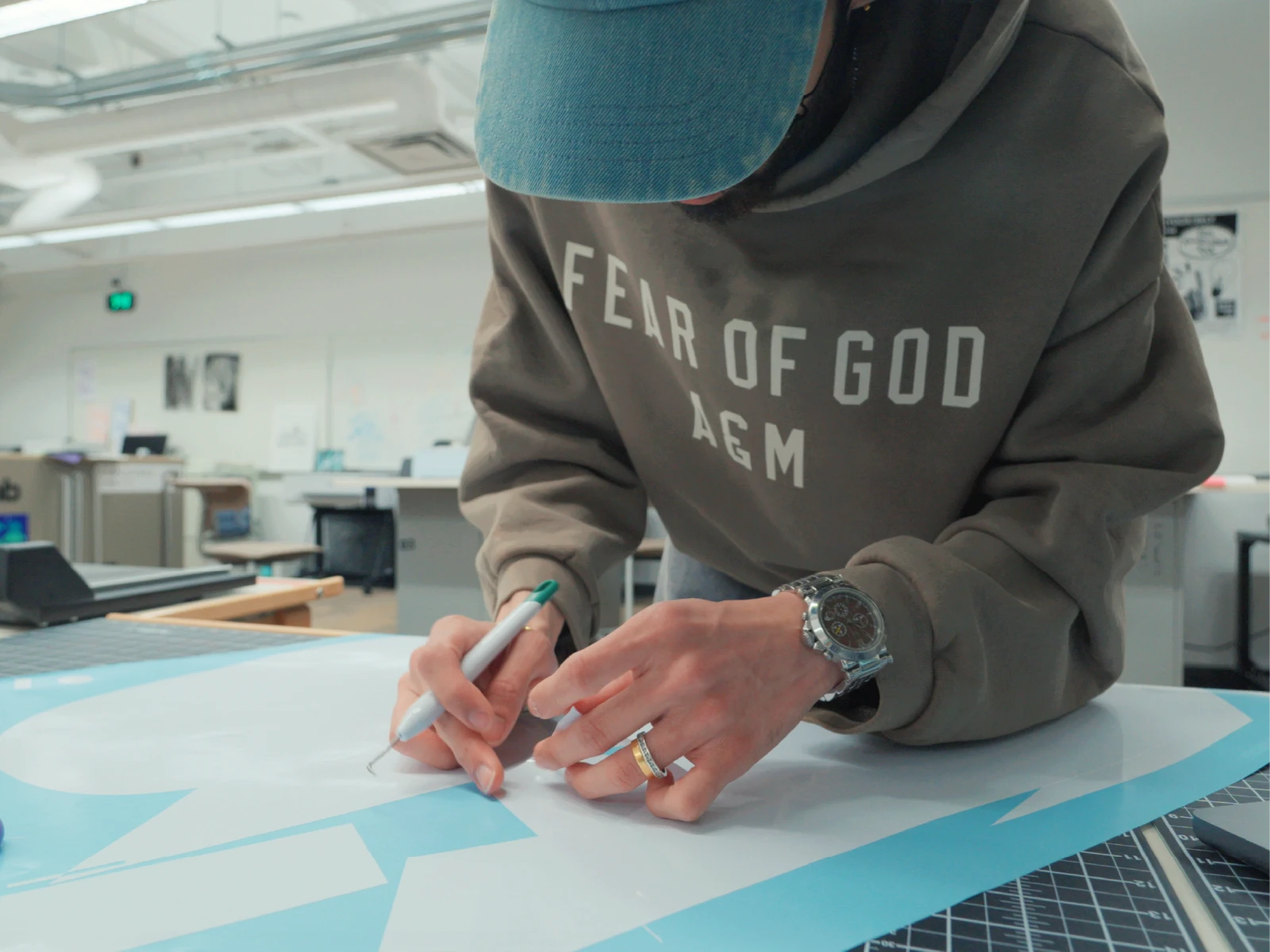
Once the final composition was approved, the artwork was cut in white vinyl and prepared by hand.⎯⎯Each letterform was carefully weeded to remove the excess material while preserving the integrity of the typography.⎯⎯Although repetitive, this stage required precision to ensure a clean transfer onto the aluminium panels.
⎯⎯
°////
Changing the surface.
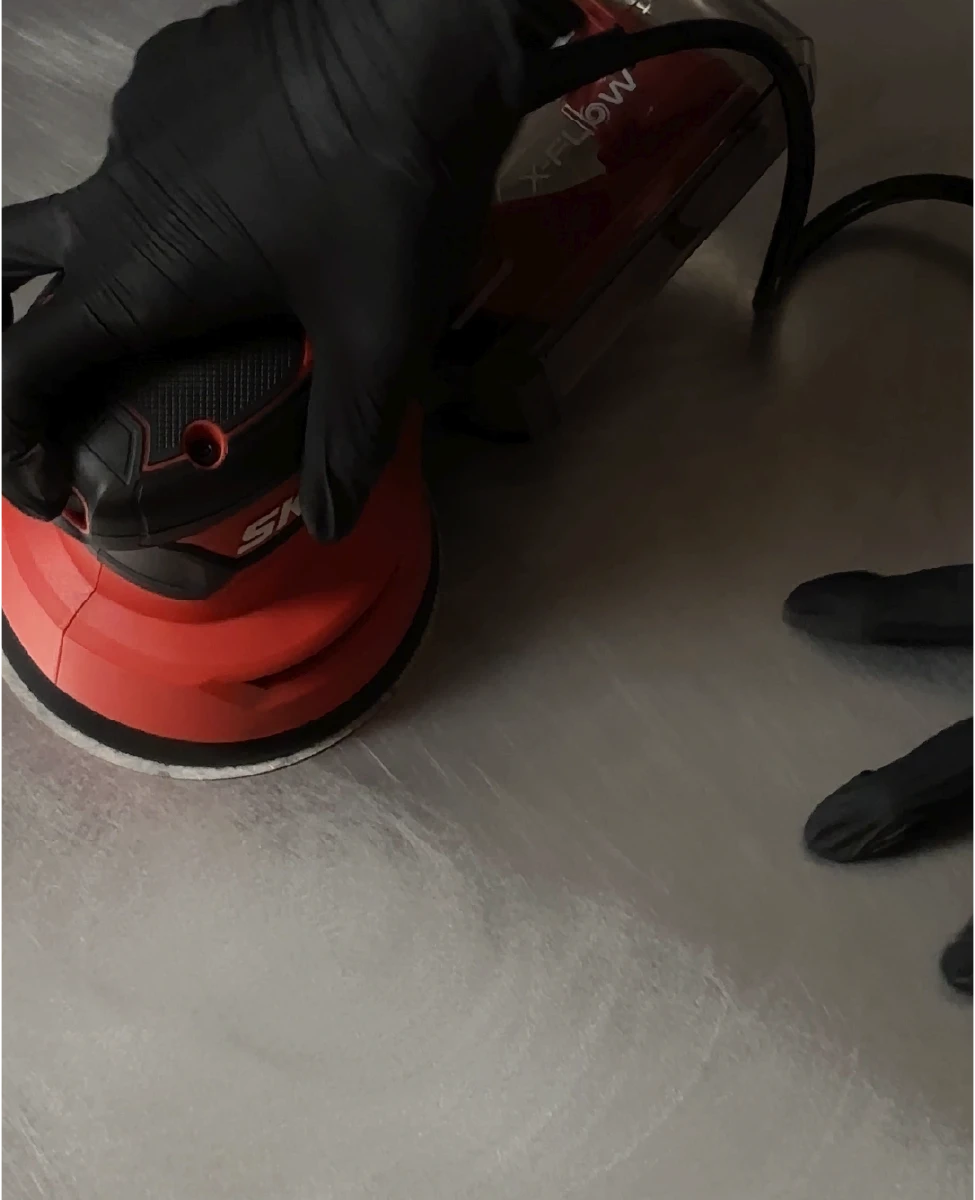
The aluminium sheets originally had a polished reflective finish that distracted from the typography.⎯⎯Each panel was sanded to reduce the reflections and introduce a more abrupt, industrial surface.⎯⎯The altered finish strengthened the visual contrast while reinforcing the material qualities that became central to the final installation.
⎯⎯
°/////
Applying the final composition.
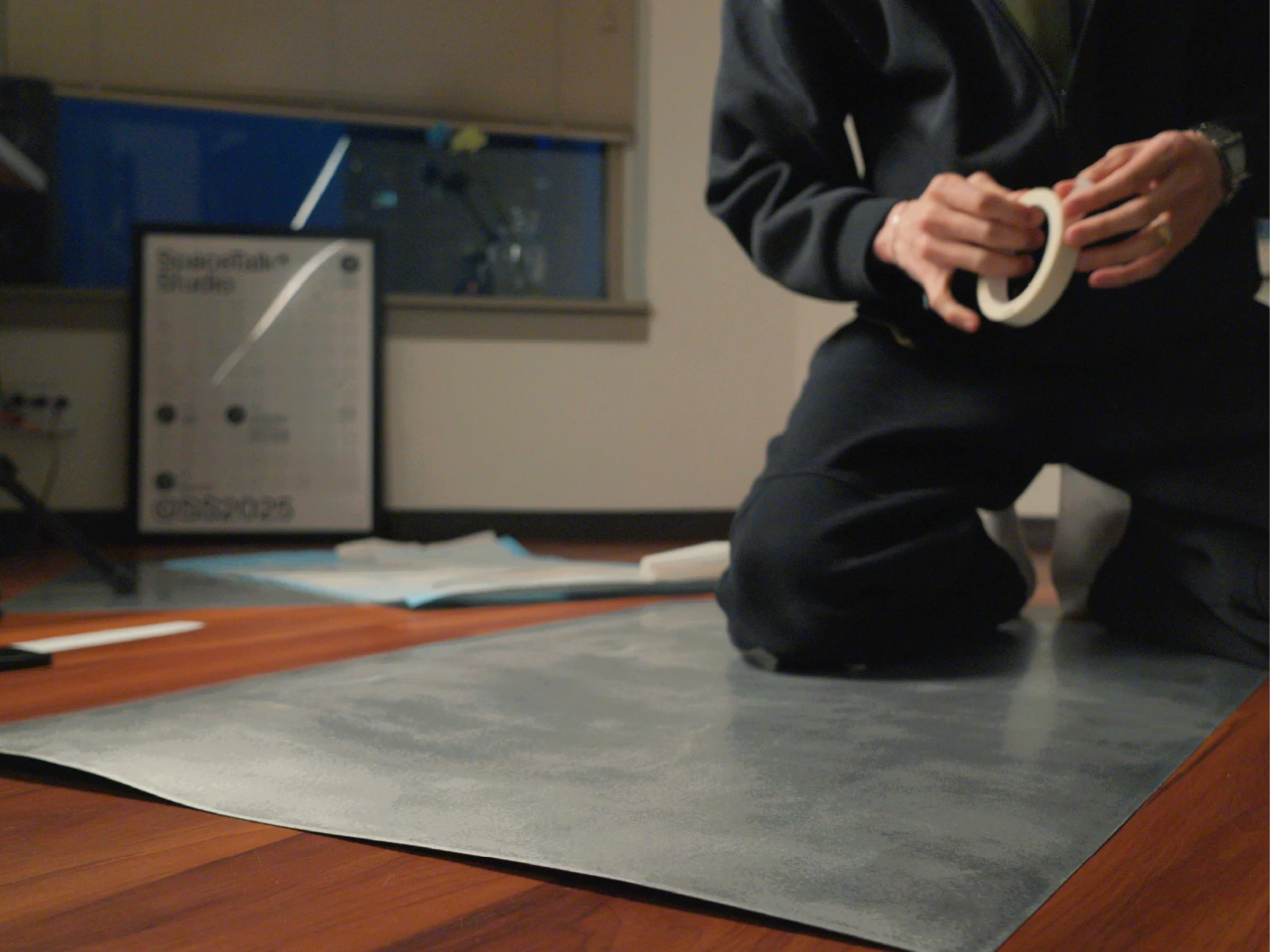
After preparing the surface, the vinyl typography was transferred onto the aluminium panels.⎯⎯Careful alignment ensured that both panels functioned as a single composition despite remaining physically separated.⎯⎯This stage brought together the material, typography, and overall structure of the installation.
⎯⎯
°//////
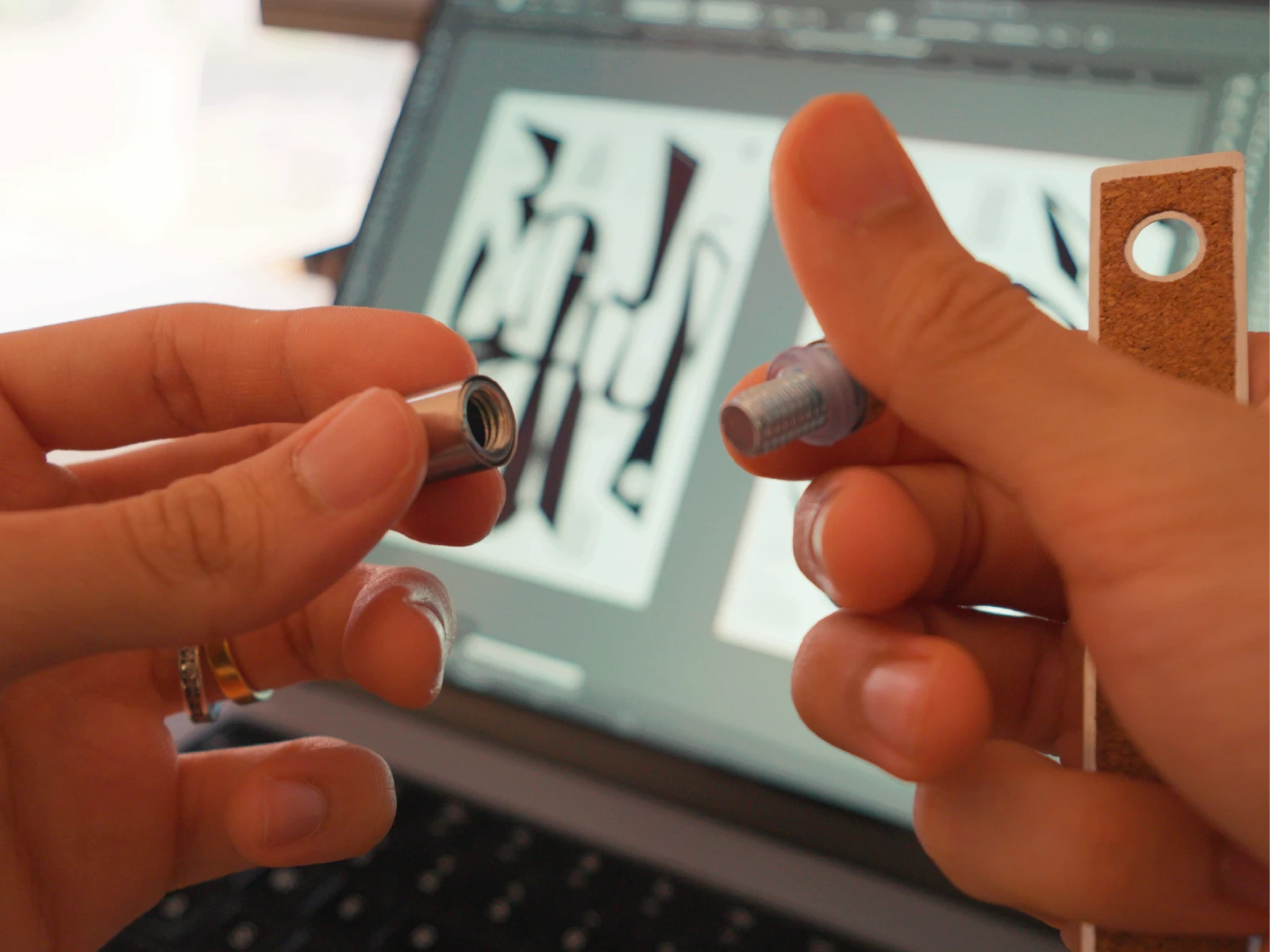
Designing the installation.
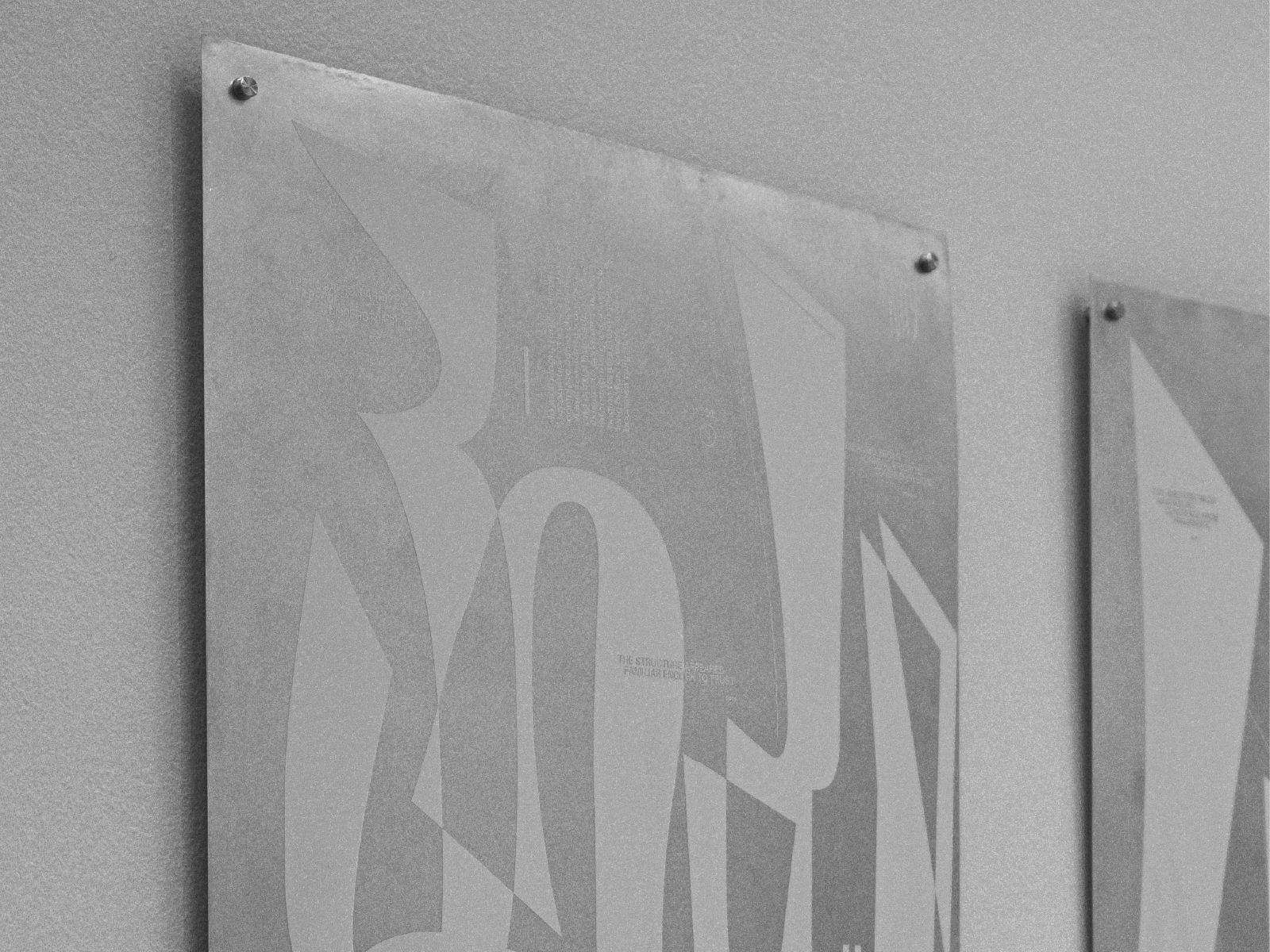
Different mounting methods were explored before settling on a system that suspended each panel only from the top edge.⎯⎯Leaving the bottom free allows the aluminium to move naturally within the space instead of remaining completely fixed.⎯⎯The separation between the panels and their subtle movement became an intentional part of how the work is experienced.
⎯⎯
°///////
Bringing everything together.
Every stage of the process contributed to the final outcome, from refining the composition and testing full-scale prints to preparing materials and developing the installation.⎯⎯Rather than treating production as a separate phase, each decision became an opportunity to strengthen the relationship between language, material, and physical form.⎯⎯The result is an installation where concept and construction are developed together rather than independently.
⎯⎯